Discover the Q'eros nation, the last living Inca community in Peru's highlands. Learn about their ancestral spirituality, paqo wisdom keepers, sacred ceremonies, and how to experience their living culture.
The Q'eros: Last Living Descendants of the Inca
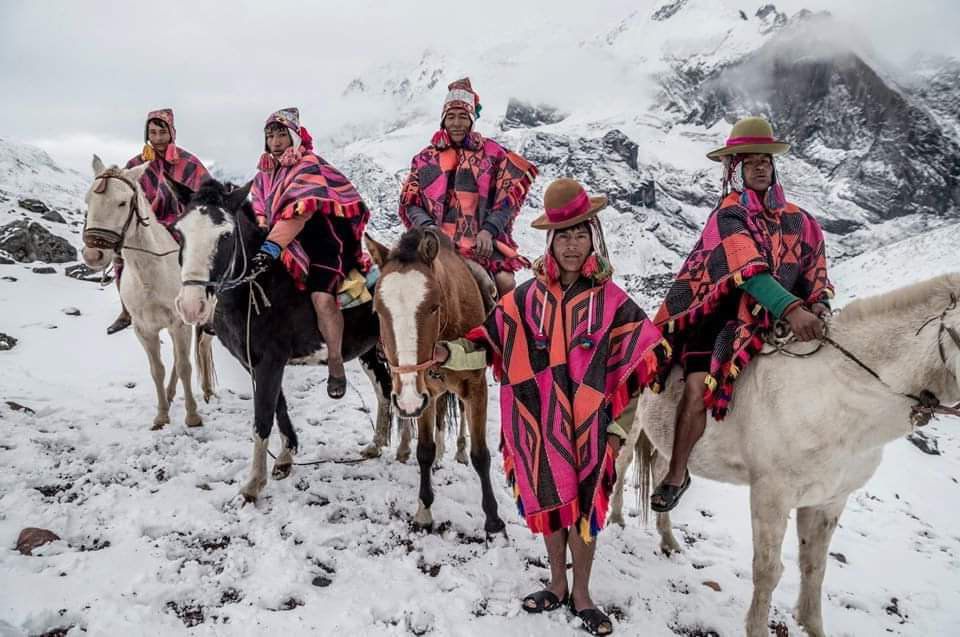
The Q'eros community resides in the highlands of Paucartambo, Cusco, maintaining to this day a cosmovision rooted in harmony with nature. Their ancestral spirituality holds invaluable cultural worth, deriving directly from Inca traditions that have survived over 500 years of isolation. This community represents one of the last Inca settlements that still preserves the intimate connection between human beings and the Andean ancestral worldview.
Since the Spanish arrival, the Q'eros managed to preserve each of their traditions — especially those linked to spirituality — which proved vital for their survival across five centuries. They existed without contact with developing civilization in Cusco and Peru until approximately 1950, when first modern contact was established. Their geographic isolation in mountains above 5,000 meters altitude allowed this remarkable cultural preservation.
Since 2007, the Q'eros community has been recognized as Cultural Heritage of Peru, honoring their preserved knowledge, cultural expression, and particularly their practices in spiritual connection and reverence for nature. The Q'eros Nation actually comprises multiple communities, including Marcachea, Quico, Q'ero Totorani, Japu, and Hatun Q'eros, along with Kaliakanta, Ccachupata, and Pucara — all formerly part of the Antisuyo during Inca dominion.
Ancestral Spirituality of the Q'eros
The Q'eros are direct, original descendants of the Incas — one of the ancient ayllus that formed part of the Antisuyo. Their name likely derives from the Quechua 'Q'iru' meaning 'wood,' reflecting their deep connection to natural elements. Their cosmovision and most activities maintain an intimate relationship between humanity and nature — a harmony essential to the Andean person who holds special respect for all beings with whom they coexist.
The spirituality preserved here has been passed from generation to generation through oral tradition. According to their ancestral beliefs, human beings possess the potential to evolve their consciousness, enhancing not only spiritual abilities but also physical and emotional capacities. The Q'eros maintain a close relationship with the cosmos and the vital energy found throughout the planet — from which springs their profound respect for nature and their belief that harmonious coexistence allows humans to achieve divine potential.
The Paqos: Andean Wisdom Keepers
In ancestral tradition, the paqo (also spelled paco) is the figure responsible for conducting ceremonies of gratitude, purification, and spiritual connection — comparable to a shaman or priest. The primary function of paqos is to cultivate their own spirituality, evolving on the astral plane. Through extensive spiritual development, paqos acquire knowledge and wisdom about energies that can guide both individuals and their community (ayllu).
For the Q'eros, all human beings are living energy — an energy that intimately links them to the cosmos and universe. Therefore, maintaining a harmonious and mutually grateful relationship between humans and the universe is of paramount importance.
Sacred Places in Q'eros Tradition
An essential aspect of Q'eros spirituality is the veneration of sacred places. Unlike other religions, these are not temples or majestic edifices but natural spaces that provide life and energy. The Q'eros worship the gifts that nature gives for the common good of all living beings. Their sacred and spiritual places include mountains, rivers, caves, lakes, lagoons, natural water springs, and even spaces harboring great natural resources — considered sacred because they are sources of life and simultaneously spaces that allow connection with the universe's energy.
Harmony with Nature
The Q'eros managed to maintain their population and cultural traditions for over 500 years in a harmonious manner, without disturbing the areas where they built their settlements. For the ancestral Andean tradition, maintaining harmony with the surroundings and avoiding changes that affect the free flow of conforming energy is essential. They kept their agricultural terraces and herding practices ordered and controlled — taking only what is necessary from nature while giving gratitude for what it provides.
The Concept of Buen Vivir (Good Living)
The Q'eros worldview differs fundamentally from Western perspectives. Reciprocity serves as the foundational axis for building community and ensuring the nation's survival. Gratitude to the Pachamama for the opportunity of life and sustenance is vital. Their connection with nature remains strong, having coexisted using ancient Andean techniques including natural medicine using only herbs, seeds, roots, and fruits. The paqos lead ceremonies of gratitude, petition, and requests for health or protection from the divine entities of the Andes.
Location and How to Reach Q'eros
The Q'eros Nation is located in the highlands of Paucartambo, with some communities extending into the upper jungle region. The highest-altitude community sits near the Ausangate snowcap. Community members exchange agricultural products along with wool, animal meat, and other goods between the different elevation zones.
To visit, the most recommended option is through a tourism agency offering experiential tourism packages. Alternatively, independent travelers can take the route from Cusco to Paucartambo, turning toward Pilcopata. Note that reaching the communities requires multi-hour hikes — an enriching experience and ideal opportunity to begin connecting with nature. In 2021, the Peruvian State created the Regional Conservation Area 'Q'eros - Kosnipata,' protecting over 55,000 hectares of territory.
Living Cultural Practices
- Herding: Communities organize camelid herding near settlements, vital for obtaining wool and as a food source
- Textile Arts: Women primarily handle wool spinning, then dyeing with seeds, flowers, and natural products, followed by garment and decoration creation
- Natural Medicine: Residents maintain extensive collections of herbs, leaves, seeds, roots, and healing plants
- Celebrations: Communities organize festivals including carnivals and earth payment ceremonies, featuring music and songs about plants, foods, and life situations
- Legends: They still share oral legends including the Inkarri figure, speaking of humanity's spiritual elevation
- Ceremonies and Rituals: All rituals are celebrated in Quechua language, with coca leaves and chicha de jora as essential elements
Experiential Tourism in Q'eros
Visiting the Q'eros Nation is possible, though a tourism agency guide is recommended. Experiential tourism options range from single-day visits to two or three-day immersions. Visitors can participate in walks to discover all communities forming the nation, participate in ancestral ceremonies, and experience the Andean way of life firsthand.
Important considerations: accommodations are rustic but welcoming; a guide who speaks Quechua is essential since all Q'eros inhabitants are fluent in Quechua with minimal Spanish; and visitors should request an Inca ceremony to thank the Pachamama for making the visit possible. Embrace the experience and connect with the nature and spiritual energy that the protective Apus offer near this sacred place.
