Discover Cusco's most spiritually rich museums where Inca artifacts, pre-Columbian art, and ancestral heritage come alive. Explore the Inka Museum, Casa Concha, and the Pre-Columbian Art Museum.
Cusco's Museums: Windows to Ancestral Spirituality
Cusco's museum landscape offers far more than historical artifacts — it provides portals into the spiritual worldview that shaped one of the most advanced civilizations in the Americas. From spaces dedicated to the Inca legacy to proposals showcasing pre-Columbian art, the museums of Cusco house artifacts imbued with spiritual significance, offering visitors a deeper understanding of Andean mysticism and cosmic energy.
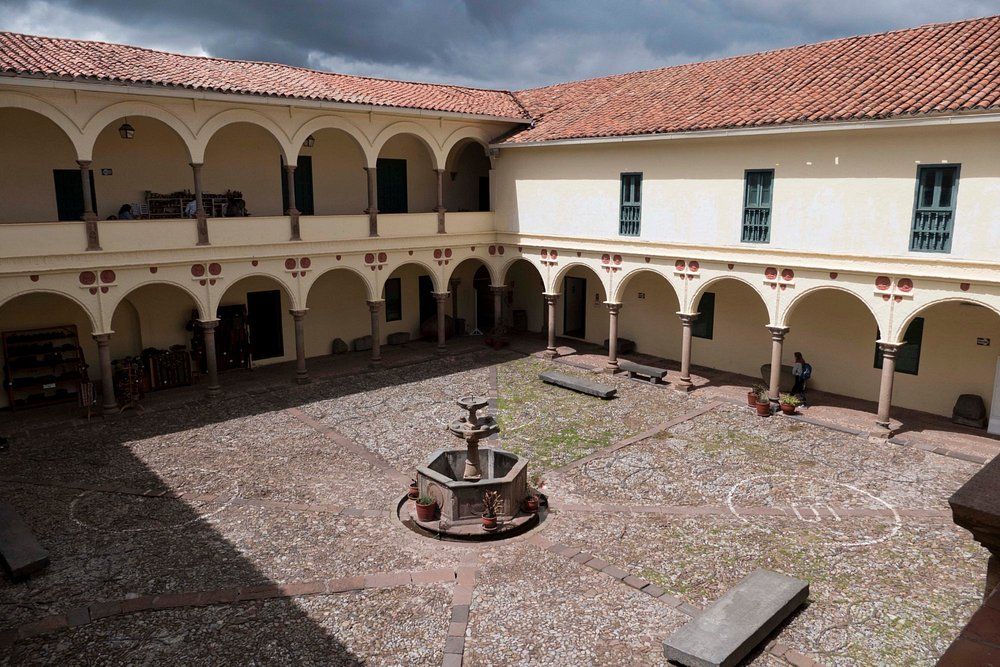
Many of these museums are housed in colonial mansions that are themselves part of Peru's cultural heritage — buildings constructed upon Inca foundations, embodying the historical layers of this ancient capital. Fortunately, the museums highlighted here are all located within the historic center, making them easily accessible for spiritual seekers and history enthusiasts alike.
Types of Museums in Cusco
Cusco offers a rich variety of museum experiences: historical museums, pre-Columbian art galleries, contemporary art spaces, religious museums, thematic exhibitions, and artisan workshops. Notable mentions include the Museum of Popular Art with Cusquenan crafts, the ChocoMuseo blending artisan traditions with cacao history, and the San Blas neighborhood with its artist workshops and galleries.
The Inka Museum
Administered by the UNSAAC (National University of San Antonio Abad), the Inka Museum occupies a 17th-century building near the Plaza de Armas — historically known as the Casa del Almirante, believed to have been Huascar's residence during the Tawantinsuyo's zenith. The building later served as the Archbishop's quarters, the last Viceroy's home, and Marshal Santa Cruz's Government House before earthquake damage in 1950 led to its restoration as a museum.
The museum's collection includes pieces from the ancient Cusco Library-Museum and the extensive donation of Jose Lucas Caparo Muniz. Its six thematic halls span from the pre-Inca period to the 20th century, featuring ceramics, textiles, tools, ritual objects, architectural models, Inca medicine, and ancestor worship artifacts.
Highlight: Mallki Wasi Hall
The Mallki Wasi hall stands out for its focus on Andean cosmovision, funerary ceremonies, and ancestor worship — offering profound insight into how the Incas understood the relationship between the living and the spiritual world.
Location: Cuesta del Almirante 103, one block from the Plaza de Armas. Hours: Monday to Friday 08:00-18:00, Saturdays and holidays 09:00-16:00. Entry: S/20 foreigners, S/10 nationals, S/10 foreign students.
Machu Picchu Museum (Casa Concha)
Historical sources indicate that the building housing this museum belonged to Tupac Yupanqui, successor of Pachacutec. The construction itself holds UNESCO World Heritage status. After Spanish colonization, it passed through various owners until Manuel Placido Berriozabal initiated the current structure in 1710. The building served as a police station before President Valentin Paniagua transferred it to the university in 2001.
In 2011, over 360 archaeological pieces were repatriated from Yale University — artifacts originally taken by Hiram Bingham. The collection includes ceramics, lithic and metallic objects, and bone remains, organized into three collections: Hiram Bingham, UNSAAC, and Casa Concha. The building itself features colonial architecture with baroque intercolumnar carvings and three ornate arches.
Highlight: Hiram Bingham Collection
The most significant collection features original objects from Machu Picchu along with audiovisual material documenting the excavations — providing an intimate connection to the sacred citadel's discovery and its spiritual significance.
Location: Calle Santa Catalina Ancha 320, near the Plaza de Armas. Hours: Monday to Saturday 09:00-17:00 (closed Sundays). Entry: S/20 foreigners, S/10 nationals, S/10 foreign students, S/5 national students, free for Cusco residents.
Regional History Museum (Casa Garcilaso de la Vega)
Located on a corner of Plaza Regocijo near the Plaza de Armas, this museum occupies the childhood home of the mestizo chronicler Inca Garcilaso de la Vega. The dwelling belonged to his father since 1560, where alongside his mother Isabel Chimpu Ocllo, the young Garcilaso began absorbing the history of both his Inca and Spanish ancestors. Today it serves as a Pre-Columbian museum documenting events from the Pleistocene to the Viceregal era across 13 exhibition halls.
Notable halls include one dedicated to Tupac Amaru II — documenting the 1780 rebellion and its tragic aftermath — and another to Garcilaso himself, representing the syncretism and mestizaje that followed the Spanish arrival. The museum exhibits ceramics, ritual objects, colonial art, and works from the Cusquenan School of painting.
Location: Calle Heladeros 165. Hours: Monday to Sunday 08:00-17:00. Entry: Included in the Cusco Tourist Ticket; free for Peruvians with DNI on the first Sunday of each month.
Pre-Columbian Art Museum (MAP Cusco)
The MAP Cusco occupies the historic Casa Cabrera, a 17th-century colonial mansion in the Plazoleta de las Nazarenas. Originally the 'Amaru Cata' or House of Knowledge — an Inca school — it was later converted into a monastery by the Spanish. The current museum, inaugurated in 2003 through a partnership between Fundacion BBVA and the Larco Museum of Lima, stands as Peru's first museum dedicated exclusively to pre-Columbian art.
Housing over 450 archaeological pieces spanning from 1250 BC to 1532 AD, the museum showcases works from the Nasca, Mochica, Huari, Chimu, and Inca cultures across 11 thematic halls. Collections include finely decorated ceramics, gold and silver metallurgy, textiles with complex designs, and wooden sculptures with ritual objects crafted from seashells and stone.
Spiritual Highlight Halls
- Gold Hall: Represents the connection between spiritual and earthly worlds
- Silver Hall: Symbolizes the feminine aspect of nature
- The Incas Hall: Dedicated to the imperial expansion of the Tahuantinsuyo
- Before the Incas Hall: Features Chimu and Chancay artifacts
Location: Plazoleta de las Nazarenas 231. Hours: Monday to Sunday 08:00-22:00 (last entry 21:30). Entry: S/20 foreigners, S/10 nationals; free for Cusco residents 09:00-16:00.
Beyond Museums: Mystical Tourism Options
Complementing museum visits, Cusco offers rich mystical tourism experiences:
- Ancestral ceremonies: Pachamama offerings, Ayahuasca and Wachuma rituals
- Meditation and yoga retreats in the Sacred Valley
- Sacred treks: Inca Trail, Ausangate Trek, Humantay Lagoon
- Spiritual festivals: Inti Raymi, Qoyllur Rit'i, Corpus Christi
- Energy sites: Naupa Iglesia, Sacsayhuaman, Quillarumiyoc, Temple of the Moon
