Discover the most significant ancestral rituals and ceremonies of the Andean world. From offerings to Pachamama to flower baths and sacred plant ceremonies, learn about the spiritual practices that have been passed down for generations in Cusco.
Mystical tourism sometimes falls short for visitors interested in the ancestral cultures of Cusco and Peru. Many travelers want to experience authentic ceremonies or ancestral rituals but lack the necessary contacts. In this guide we explore the most important Andean ceremonies and rituals, a cultural and spiritual wealth transmitted from generation to generation.
Origin of Andean rituals and ceremonies
The ancestral peoples were the first to connect with nature. Since the earliest cultures, such as Caral, they showed a strong interest in life and nature as sources of fertility and sustenance. The cultures that developed in Peruvian and Latin American territory share an important coincidence: respect for nature and a special connection with what transcends the earthly world.
The Incas likely consolidated the variety of deities while respecting the beliefs of other cultures. This is why an important connection with nature can be appreciated in their temples. Buildings dedicated to the contemplation of the stars also reflect a connection with the energy of the entire universe.
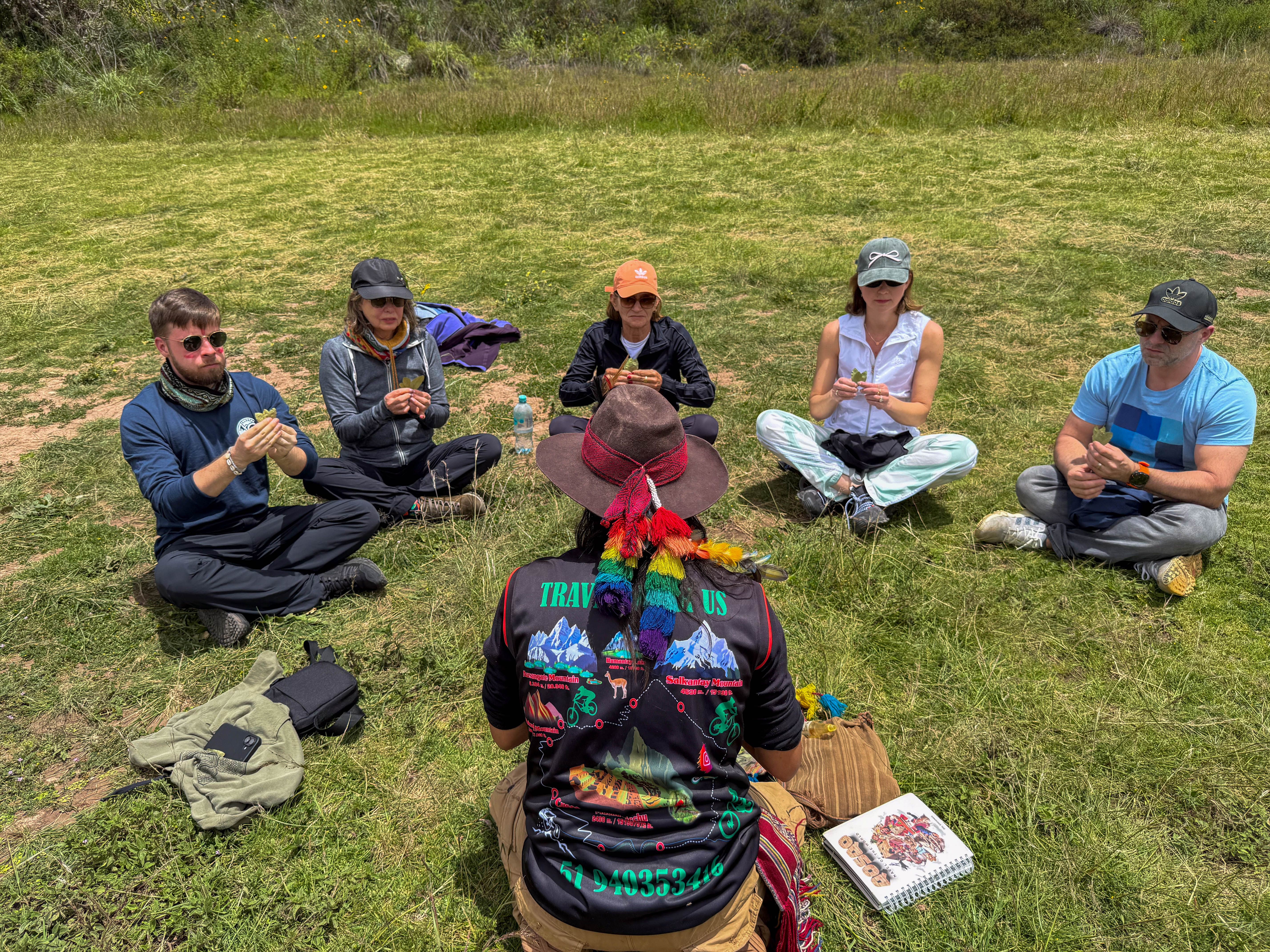
Andean ceremonies always begin with gratitude to the earth and for the moment of sharing. Offerings like coca leaves, chicha and first harvests are used to create a link between the human and the spiritual, always bound to respect.
The role of Andean shamans (Paqos)
In ancient times, Andean shamans or Paqos were considered priests. In the Inca empire, the principal priest was known as Willaq Umu, responsible for managing cults and rituals, transmitting the will of the deities to the Sapa Inca, and maintaining the population respect for Andean gods.
Today, Paqos are the people responsible for achieving a better connection with the spiritual world and the energy of nature. Most have training as apprentices of elder Paqos. Their main task is to follow a spiritual path, continue the legacy of their ancestors and conduct Andean ceremonies. They are the ones who connect ordinary people with nature and energy.
Offerings to Pachamama (Payment to the Earth)
- Offerings to Pachamama are made to give thanks for everything received and to request future prosperity
- Rituals are performed in Quechua, naming nearby Apus or deities
- Andean shamans organize the sequence of actions and build a small altar with the offerings
- Elements include coca leaves, corn, sweets and other symbolic offerings
- These offerings are traditionally performed in August, though Paqos can arrange them at any time
Coca leaf reading
- A very common practice in Andean communities, the coca leaf is considered sacred
- One of the most used mediums to connect with the spiritual and energetic world
- Usually private sessions where a person seeks the Paqo for a reading of their fortune
- Some ceremonies are intended to ask for blessings in moments of despair or as spiritual guidance
- The shaman throws coca leaves on a blessed unkuna cloth, interpreting their positions
Andean flower baths (energy renewal)
Flower baths are ancestral rituals practiced in Andean communities, especially in Cusco. This ceremony seeks to cleanse negative energies and attract prosperity, love, health and good fortune. It is performed with sacred herbs, flowers, natural essences and spring water, elements with deep spiritual significance.
The participant goes to a Paqo who guides the process in a specially prepared ceremonial space. During the bath, the Apus and Pachamama are invoked, asking for blessings and energy renewal. These baths are common on special dates like the Andean New Year, before starting important projects or in moments of personal transformation.
Ayahuasca and San Pedro: rituals of self-knowledge
Ayahuasca and San Pedro (Wachuma) are master plants used ancestrally in the Andes and Amazon for healing and self-knowledge ceremonies. These rituals allow a deep connection with the spiritual world, helping to release emotional blockages, traumas and find inner clarity.
Ceremonies are guided by experienced shamans who prepare the space with sacred songs (icaros), incense and energetic protection. Ayahuasca is consumed in nocturnal sessions, while San Pedro is usually taken during the day, favoring introspection and connection with nature. These practices are not recreational but spiritual, requiring prior preparation, respect for tradition and adequate accompaniment.
Andean marriage ceremony
In recent years, Andean marriage has regained important value for Peruvian and foreign couples. It is a commitment of the couple with nature and the Andean deities. A Paqo consolidates this union under the blessing of the Apus. During the ceremony, a special payment to the earth is made, normally in contact with nature. There is a physical, mental and spiritual commitment whose purpose is to have imperishable love.
Healing rituals and spiritual guidance
Spiritual healing rituals are ancestral practices performed in various Andean communities. They seek to harmonize body, mind and spirit, releasing negative energies and promoting inner balance. Natural elements like medicinal plants, incense, sacred songs and spring water are used, all with deep symbolic and energetic value.
Many people attend these rituals in moments of crisis, transformation or purpose-seeking, finding in them a path to self-knowledge and connection with the transcendental. These practices have not only spiritual but also therapeutic value.
Recommendations for ceremonies
- Respect for tradition: Approach with humility, without commercial or tourist expectations
- Choose authentic guides: Seek shamans belonging to Andean communities with verifiable experience
- Physical and mental preparation: Some rituals require special diet, fasting or meditation beforehand
- Clear intention: Reflect on your purpose - healing, guidance, emotional release, spiritual connection
- Safe natural environment: Rituals are performed in natural spaces like mountains, rivers or energy temples
- Post-ceremony integration: Reflect, rest and talk with the guide about the experience
Frequently asked questions
Who can participate in Andean rituals?
Anyone with respect for tradition and a clear intention can participate. It is not required to belong to an Andean community, but it is essential to approach with humility and spiritual openness.
What types of rituals are performed in Cusco today?
The most common are flower baths, coca leaf readings, Ayahuasca and San Pedro ceremonies, and offerings to Pachamama. All have a spiritual and therapeutic focus.
What elements are used in Andean rituals?
Coca leaves, flowers, spring water, chicha, incense, sacred songs and agricultural offerings are used. Each element has spiritual and energetic symbolism.
How to know if a ritual is authentic?
Research the spiritual guide, verify they work with Andean communities and that the ritual is performed in an appropriate environment. Avoid experiences that mix traditions without coherence or that are offered as tourist entertainment.
