Cusco combines Andean spirituality, ancient cultural heritage and adventure in one destination. Discover the best mystical activities, the most important historical sites and the adventure routes you can experience in the capital of the Inca empire.
Cusco is recognized as one of the most fascinating cities in South America. Its cobblestone streets preserve vestiges of an extraordinary civilization, and the stone walls of the historic center transform the city into a space charged with mysticism and spirituality. Beyond the urban core, the Cusco geography offers ideal landscapes for adventure activities, making the region a complete destination for every type of traveler.
Tourism in Cusco: gateway to the Andean world
Cusco is considered the tourist epicenter of Peru and the historic capital of the American continent. Its archaeological, cultural and spiritual heritage makes it an essential destination for travelers worldwide. From the majestic Machu Picchu to its colonial neighborhoods, Cusco offers an experience that interweaves living history, Andean landscapes and ancestral traditions.
In the first two months of 2025, more than 191,000 national and international visitors arrived in the city. The main reason remains Machu Picchu, followed by the famous Rainbow Mountain. But the spiritual heritage of the Inka culture has opened a new horizon: thousands of people come seeking a connection with the spiritual world of the Incas.
Best dates to visit Cusco
The optimal time to visit Cusco is between May and October, during the dry season. June and July are notable months for the Inti Raymi festivities and the city's anniversary, although they also have the highest tourist influx. The rainy season (November to March) also has its charm: mysticism intensifies with the mist and many travelers seek precisely that atmosphere of spiritual retreat.
Types of tourism in Cusco
- Archaeological tourism: Inca ruins such as Sacsayhuaman, Qenqo and Tambomachay
- Cultural tourism: museums, festivals, folk art and gastronomy
- Adventure tourism: trekking, cycling, rafting and paragliding
- Mystical tourism: ancestral rituals, spiritual retreats and sacred walks
- Gastronomic and wellness tourism: Andean cuisine, yoga and natural therapies
Mystical tourism in Cusco: connecting with the ancestral
Mystical tourism in Cusco connects travelers with Andean spirituality, the Inca worldview and millennial practices that promote self-knowledge and inner healing. This modality invites you to explore your inner world while traversing sacred places and participating in rituals that have endured for centuries.
Recommended mystical activities
- Ancestral ceremonies: including the Payment to the Earth (offering to Pachamama), rituals with sacred plants such as ayahuasca and wachuma, guided by Andean shamans at energy sites
- Healing rituals: energy cleansings, flower baths and harmonization sessions with herbs, chants and natural elements
- Yoga and meditation: spiritual retreats with sunrise practices at Sacsayhuaman, Humantay Lagoon or the Sacred Valley
- Andean astrology: workshops on the links between the cosmos and the Inca worldview at places like Moray or Qorikancha
- Sacred walks: routes such as the Inca Trail, Ausangate Trek or the climb to Inti Punku, considered spiritual pilgrimages
To ensure an authentic and safe experience, it is recommended to hire specialized local guides or agencies with expertise in spiritual tourism. The main benefits include personal growth, emotional healing, reconnection with nature and stress reduction.
Cultural tourism: immersion in living history
Cultural tourism in Cusco represents a deep immersion in the history of the Inca Empire, the Spanish colonization and contemporary Andean identity. In every street you can appreciate the heritage of a civilization deeply linked to nature and cosmic harmony.
Outstanding cultural experiences
- Visit the Coricancha, Sacsayhuaman and the Cusco Cathedral
- Explore the San Blas neighborhood and its artisan workshops
- Participate in festivals like the Inti Raymi (June 24) or Pachamama Day (August)
- Weaving, pottery and Andean cooking workshops
- Guided tours of museums like the Inka Museum or Casa Garcilaso
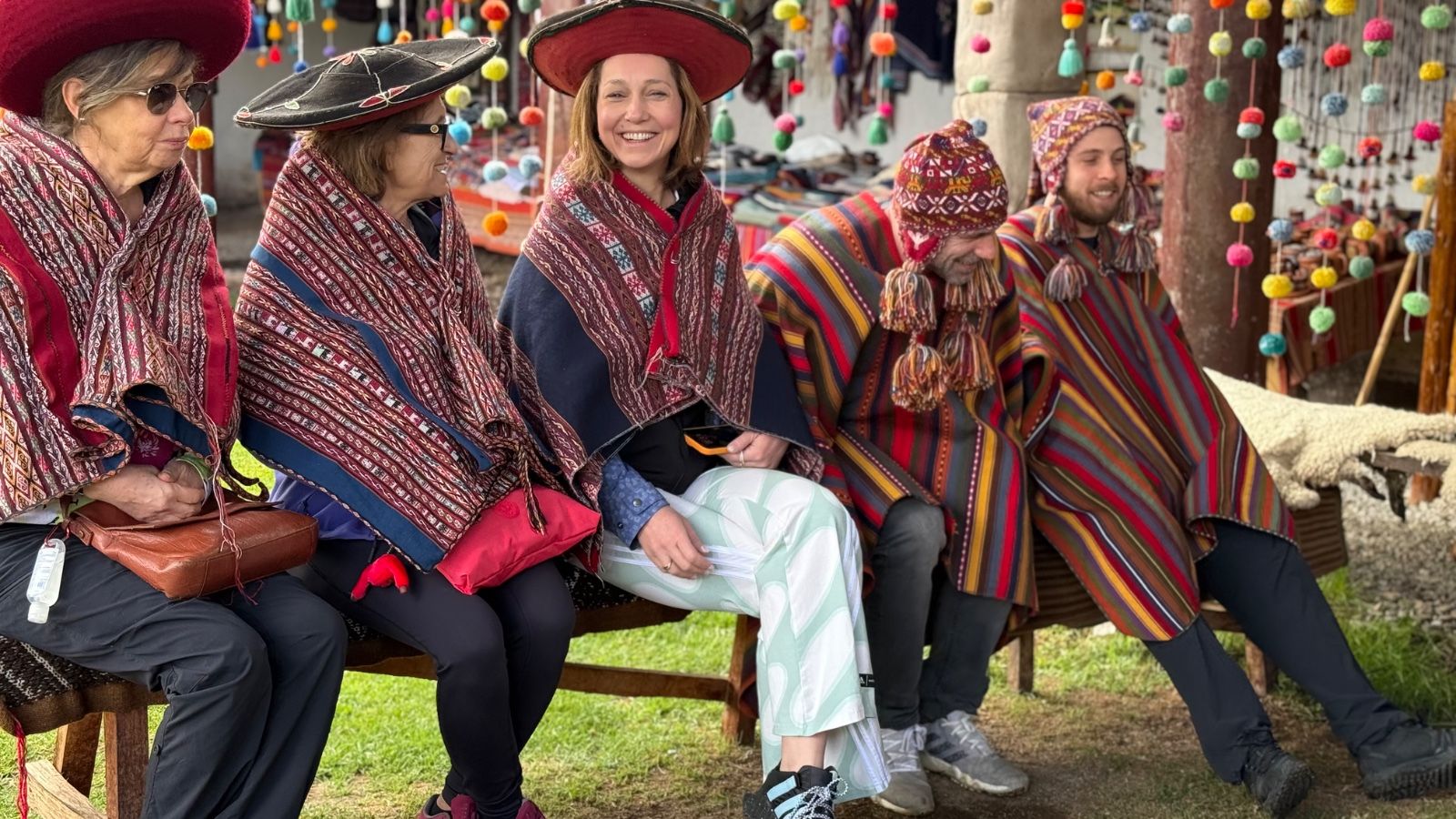
- Experiential tourism in Sacred Valley communities
Having a cultural guide greatly enriches the experience, providing historical and symbolic context. For experiential tourism, a Quechua-speaking guide is recommended to facilitate contact with indigenous communities.
Adventure tourism: adrenaline in the Andes
Cusco is a paradise for adrenaline lovers. Its geographical diversity ranges from the cloud forest where Machu Picchu is located to snow-capped peaks like Rainbow Mountain. Specialized agencies offer a wide range of activities for all experience levels.
Available adventure activities
- Trekking: Inca Trail, Salkantay Trek, Huchuy Qosqo, Rainbow Mountain and Humantay Lagoon
- Cycling: routes through the Sacred Valley, Maras and Moray
- Rafting: descending the Urubamba and Apurimac rivers
- Paragliding: flights over the Lamay Valley
- ATVs: tours through natural and archaeological landscapes
- Rock climbing and canopy in rural areas
For safety and logistics, it is recommended to hire certified agencies and guides experienced in adventure sports. It is important to acclimatize to the altitude before undertaking physically demanding activities.
Other experiences in Cusco
- Stroll through the Plaza de Armas and the San Blas neighborhood
- Visit traditional markets like San Pedro and Wanchaq
- Enjoy local gastronomy and cooking classes
- Salsa, photography or Andean astronomy classes
- Experiential tourism in Sacred Valley communities
Frequently asked questions
What is the best time to travel to Cusco?
The dry season (May to October) is ideal. June and July stand out for festivities like the Inti Raymi. The rainy season (November to March) also has its appeal for those seeking mysticism and tranquility.
Is it safe to travel to Cusco as a tourist?
Yes, Cusco is a safe tourist destination. It is recommended to use official taxis, hire certified guides and take basic precautions in less-traveled areas at night.
What activities does mystical tourism include?
It includes payments to Pachamama, ceremonies with ayahuasca or wachuma, sacred walks, meditation, yoga and visits to energy sites like Naupa Iglesia, the Temple of the Moon or the Sacred Valley.
What adventure options are available in Cusco?
Cusco offers trekking (Inca Trail, Salkantay), cycling through the Sacred Valley, rafting on the Urubamba and Apurimac, paragliding in Lamay and ATV tours. All activities require certified agencies for safety.
